
-
-
-60%
Select options This product has multiple variants. The options may be chosen on the product page
- Dirndl, Oktoberfest 2026 Sale, Premium Dirndl, Women
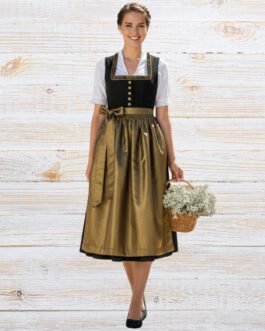
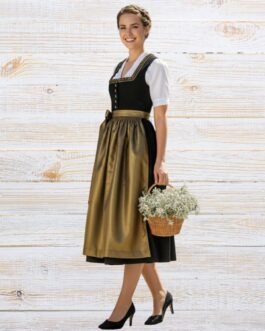
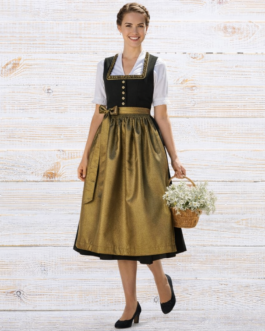
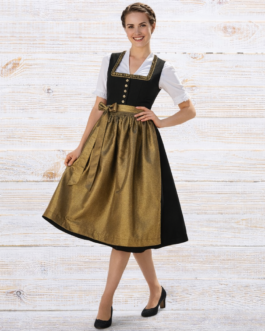
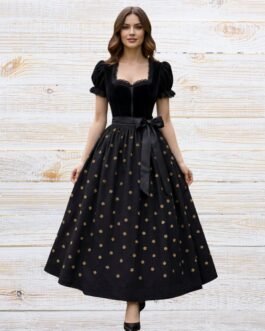
Affordable Midi Dirndl Dress in Black with Golden Satin Apron
- Original price was: $350.00.$139.00Current price is: $139.00.
- Affordable Midi Dirndl Dress in Black with Golden Satin Apron Shop Affordable midi dirndl dress in black cotton with golden satin silk apron, front buttons, lace neckline and fast 7 day shipping. Oktoberfest Elegant 2pcs set.
-
-
-
-
-
-
-60%
-
-
-62%
Select options This product has multiple variants. The options may be chosen on the product page
- Dirndl, Oktoberfest 2026 Sale, Premium Dirndl, Women
Classic Dirndl Costume Black Velvet Timeless Style
- Original price was: $380.00.$144.00Current price is: $144.00.
- Classic Dirndl Costume Black Velvet Timeless Style Shop classic dirndl costume with black velvet bodice, plaid cotton skirt and floral apron. Front zip closures, lace trim, fast 7 days worldwide shipping. perfect for Oktoberfest.
-
-
-
-
-62%
-
-
-57%
Select options This product has multiple variants. The options may be chosen on the product page
- Dirndl, Oktoberfest 2026 Sale, Premium Dirndl, Women
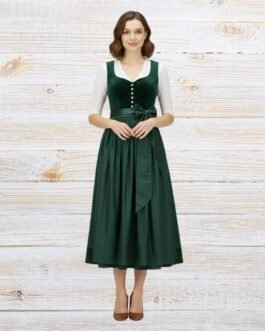
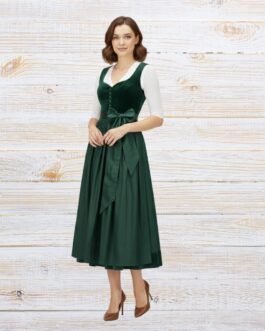
Dirndl Dress Bavarian Traditional Oktoberfest Wear
- Original price was: $350.00.$149.00Current price is: $149.00.
- Dirndl Dress Bavarian Traditional Oktoberfest Wear Shop an authentic Dirndl dress Bavarian style, handmade with traditional design, premium fabrics, and perfect fit for Oktoberfest, weddings, festivals, and events.
-
-
-
-
-57%
-
-
-54%
Select options This product has multiple variants. The options may be chosen on the product page
- Dirndl, Oktoberfest 2026 Sale, Premium Dirndl, Women
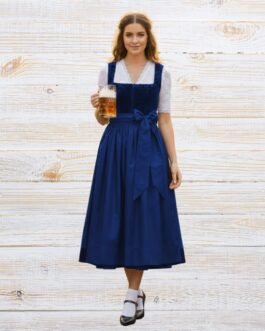
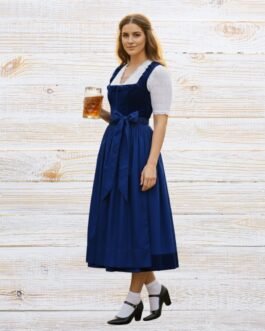
Dirndl Dress Blue Velvet – Timeless Bavarian Elegance
- Original price was: $300.00.$139.00Current price is: $139.00.
- Dirndl Dress Blue Velvet – Timeless Bavarian Elegance Explore Dirndl Dress Blue Velvet crafted from rich velvet fabric. A classic Bavarian dress ideal for Oktoberfest, weddings, winter festivals, and formal events.
-
-
-
-
-54%
-
-
-54%
Select options This product has multiple variants. The options may be chosen on the product page
- Dirndl, Oktoberfest 2026 Sale, Premium Dirndl, Women
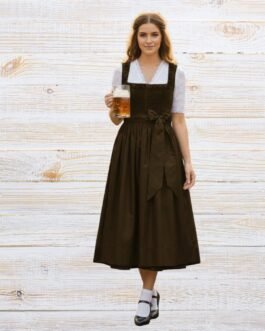
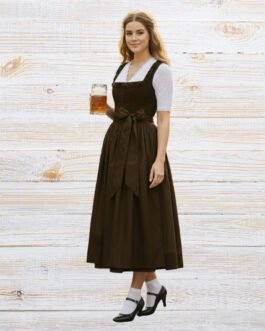
Dirndl Dress Brown Velvet – Traditional Luxury Oktoberfest
- Original price was: $300.00.$139.00Current price is: $139.00.
- Dirndl Dress Brown Velvet – Traditional Luxury Oktoberfest Shop Dirndl Dress Brown Velvet made from rich velvet fabric. A classic Bavarian dress for Oktoberfest, weddings, winter festivals, and traditional wear.
-
-
-
-
-54%
-
-
-54%
Select options This product has multiple variants. The options may be chosen on the product page
- Dirndl, Oktoberfest 2026 Sale, Premium Dirndl, Women
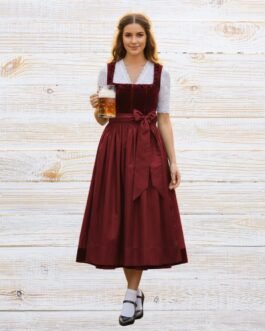
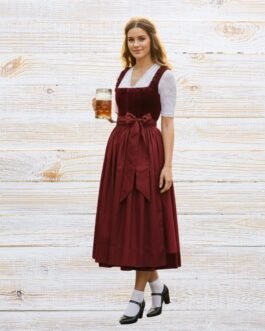
Dirndl Dress Burgundy Velvet – Elegant Bavarian Style
- Original price was: $300.00.$139.00Current price is: $139.00.
- Dirndl Dress Burgundy Velvet – Elegant Bavarian Style Shop Dirndl Dress Burgundy Velvet made from luxurious velvet fabric. A rich Bavarian dress for Oktoberfest, weddings, winter festivals, and formal occasions.
-
-
-
-
-54%
-
-
-54%
Select options This product has multiple variants. The options may be chosen on the product page
- Dirndl, Oktoberfest 2026 Sale, Premium Dirndl, Women
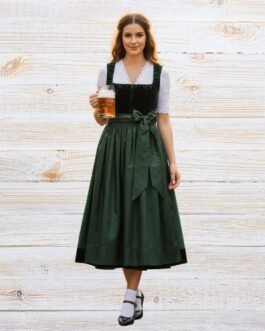
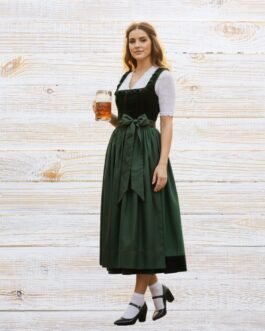
Dirndl Dress Green Velvet – Timeless Bavarian Elegance
- Original price was: $300.00.$139.00Current price is: $139.00.
- Dirndl Dress Green Velvet – Timeless Bavarian Elegance Explore Dirndl Dress Green Velvet crafted from rich velvet fabric. A traditional Bavarian dress for Oktoberfest, weddings, winter festivals, and celebrations.
-
-
-
-
-54%
-
-
-54%
Select options This product has multiple variants. The options may be chosen on the product page
- Dirndl, Oktoberfest 2026 Sale, Premium Dirndl, Women
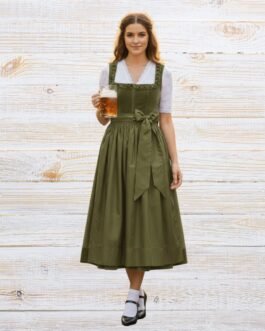
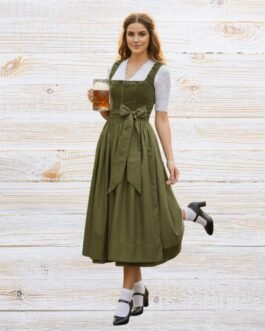
Dirndl Dress Olive Velvet – Elegant Bavarian Tradition
- Original price was: $300.00.$139.00Current price is: $139.00.
- Dirndl Dress Olive Velvet – Elegant Bavarian Tradition Discover Dirndl Dress Olive Velvet crafted from luxurious velvet fabric. A timeless Bavarian dress for Oktoberfest, weddings, winter festivals, and cultural events.
-
-
-
-
-54%
-
-
-54%
Select options This product has multiple variants. The options may be chosen on the product page
- Dirndl, Oktoberfest 2026 Sale, Premium Dirndl, Women
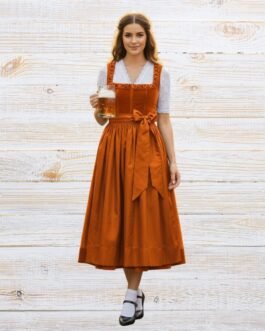
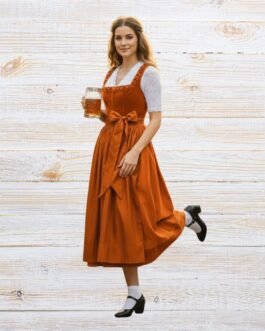
Dirndl Dress Orange Velvet – Bold Bavarian Elegance
- Original price was: $300.00.$139.00Current price is: $139.00.
- Dirndl Dress Orange Velvet – Bold Bavarian Elegance Discover Dirndl Dress Orange Velvet made from rich velvet fabric. A bold Bavarian dress for Oktoberfest, festivals, weddings, and traditional celebrations.
-
-
-
-
-54%
-
-
-50%
Select options This product has multiple variants. The options may be chosen on the product page
- Dirndl, Oktoberfest 2026 Sale, Premium Dirndl, Women
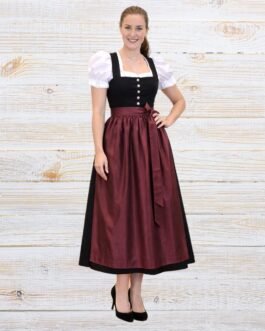
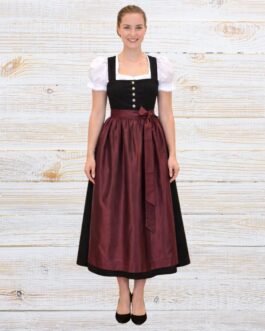
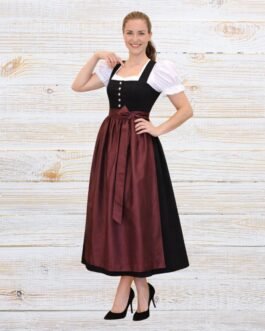
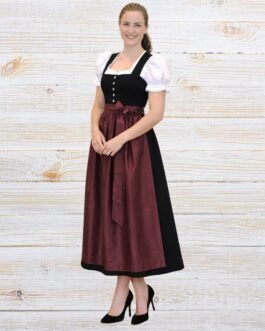
Elegant Black Burgundy Dirndl with Front Buttons for Women
- Original price was: $249.00.$125.00Current price is: $125.00.
- Elegant Black Burgundy Dirndl with Front Buttons for Women Shop our Black Burgundy dirndl with front buttons, black cotton fabric, satin silk apron, flattering fit and free shipping. Perfect for Oktoberfest and weddings.
-
-
-
-
-
-
-50%
-
-
-57%
Select options This product has multiple variants. The options may be chosen on the product page
- Dirndl, Oktoberfest 2026 Sale, Premium Dirndl, Women
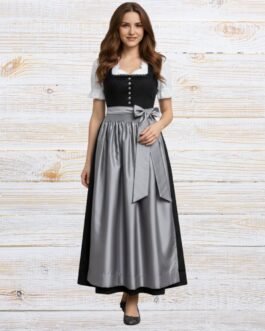
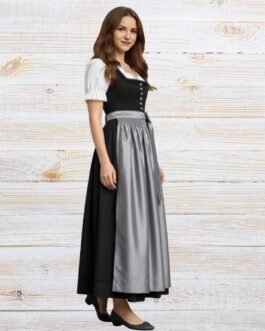
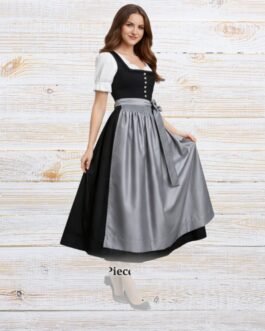
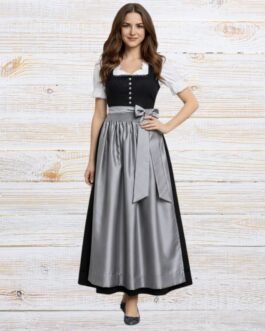
Elegant Black Cotton Dirndl with Silk Gray Apron Set
- Original price was: $300.00.$129.00Current price is: $129.00.
- Elegant Black Cotton Dirndl with Silk Gray Apron Set Shop Black cotton dirndl with gray silk satin fabric apron. 3pcs set with white blouse, front buttons closure dress, breathable fabric and free shipping. Perfect for Oktoberfest.
-
-
-
-
-
-
-57%
-
-
-48%
Select options This product has multiple variants. The options may be chosen on the product page
- Dirndl, Oktoberfest 2026 Sale, Premium Dirndl, Women
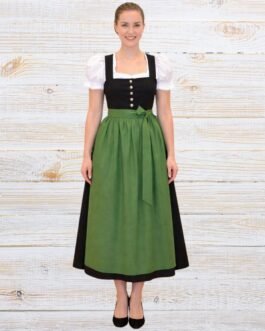
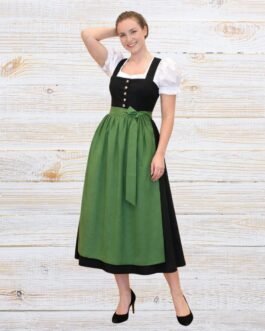
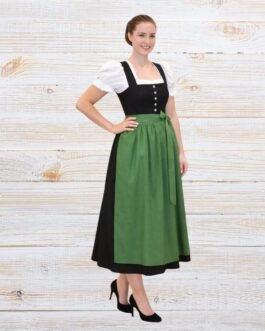
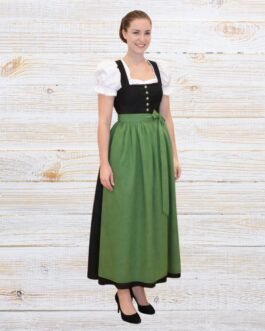
Elegant Black Dirndl Dress for Women | Timeless Alpine Style
- Original price was: $249.00.$129.00Current price is: $129.00.
- Elegant Black Dirndl Dress for Women | Timeless Alpine Style Shop our elegant black dirndl dress for women. Classic Bavarian style, premium fabrics, flattering fit, perfect for Oktoberfest, weddings, and festivals. Dirndl Fabric, Black Cotton. Apron Fabric Green Satin Silk. Closure Front Buttons. White cotton puffy sleeves Blouse Included.
-
-
-
-
-
-
-48%
Authentic German Dirndl – Traditional Bavarian Dress with Blouse & Apron
There is something truly magical about wearing a real German Dirndl. It is more than fabric and thread — it is a symbol of Bavarian identity, a celebration of craftsmanship, and a connection to centuries of German tradition. When you wear an authentic Dirndl, you are not just putting on a beautiful dress. You are stepping into a story that stretches back hundreds of years across the villages, mountains, and festivals of Bavaria.
Our Authentic German Dirndl collection is designed for women who appreciate that difference. Every set in our collection includes the three essential pieces that define a true Dirndl — the dress, the blouse, and the apron. Together, these three elements create the iconic silhouette that has made the Dirndl one of the most recognizable and beloved traditional costumes in the entire world.
The History Behind the German Dirndl
The Dirndl has its roots in the rural working clothes of Alpine peasant women in the 18th and 19th centuries. Originally worn as everyday workwear in the farms and mountains of Bavaria and Austria, the Dirndl slowly transformed into a symbol of regional pride and cultural identity. By the time Oktoberfest became a world-famous festival, the Dirndl had already become the dress that defined Bavarian femininity.
Today, the Dirndl is worn at festivals, weddings, church celebrations, and cultural events across Germany, Austria, and Switzerland — and increasingly, by women all over the world who want to connect with that rich heritage. What started as humble working clothing has become a timeless fashion statement that bridges the gap between tradition and modern style.
What Is Included in a Complete Dirndl Set?
A proper German Dirndl is always a three-piece outfit. Our sets include everything you need to look and feel authentically Bavarian from head to toe.
The Dirndl Dress
The centerpiece of the outfit. It features a tight-fitting bodice that highlights the waist, a low neckline, and a full skirt that falls gracefully below the knee or to the ankle depending on the style. The bodice is typically fastened with hooks, buttons, or a front zipper for a comfortable and secure fit.
The Dirndl Blouse
Worn underneath the bodice, the traditional Dirndl blouse is usually white or cream-colored with delicate lace detailing, puffed sleeves, and a low neckline. The blouse softens the look and adds that classic Bavarian femininity that makes the Dirndl so distinctive and elegant.
The Dirndl Apron
The apron is tied around the waist over the skirt and is one of the most culturally meaningful parts of the entire outfit. In Bavarian tradition, the way you tie your apron bow carries a secret message. Tied on the right side means the woman is taken or married. Tied on the left side signals she is single and available. Tied at the back is traditionally worn by widows or waitresses. This charming tradition adds a layer of meaning and fun to wearing a Dirndl that no other traditional costume in the world can match.
Choosing the Right Dirndl for You
Our collection offers a wide range of styles to suit every taste and occasion. If you love classic Bavarian tradition, our dark-toned Dirndls in deep greens, rich burgundies, and midnight blues will feel perfectly authentic. If you prefer something softer and more romantic, our floral print Dirndls in pastel pinks, lilacs, and creams are beautifully feminine. For those who want to stand out at Oktoberfest or a festival, our vibrant and embroidered designs bring color and celebration to every gathering.
When choosing your Dirndl, consider the length carefully. Mini Dirndls with skirts above the knee have a playful and modern feel. Midi-length Dirndls hitting just below the knee are the most popular and versatile choice. Maxi Dirndls with floor-length skirts carry the most formal and traditional elegance and are perfect for weddings and church events.
Who Wears a Dirndl?
The beauty of the Dirndl is that it truly belongs to everyone. Women across the USA, UK, Canada, Australia, and every corner of the world have embraced the Dirndl as a way to celebrate German heritage, attend cultural festivals, or simply wear something that is genuinely different from everyday fashion. You do not have to be German to wear a Dirndl and wear it with confidence. The Dirndl welcomes everyone who appreciates its beauty and history.
It is the most popular dress choice at Oktoberfest celebrations worldwide, from the original festival in Munich to events in New York, London, Sydney, and beyond. It is also a favorite for German-themed parties, heritage celebrations, costume events, and international cultural festivals throughout the year.
How to Care for Your Dirndl
To keep your Dirndl looking beautiful for years, always check the care label on each piece. Most Dirndl dresses and aprons should be hand washed or machine washed on a gentle cool cycle. The blouse, being more delicate with its lace and embroidery, often requires careful hand washing. Always hang your Dirndl to dry naturally and iron on a low heat setting to keep the fabric smooth and the colors vibrant.
Storing your Dirndl properly matters too. Hang the dress and blouse in a breathable garment bag and fold the apron carefully to avoid permanent creasing. Treated with care, a quality Dirndl will last for many Oktoberfests to come.
Frequently Asked Questions About German Dirndl
What is an authentic German Dirndl?
An authentic German Dirndl is a traditional Bavarian costume consisting of three pieces — a fitted bodice dress, a white or cream blouse worn underneath, and a decorative apron tied around the waist. It originates from the Alpine regions of Bavaria and Austria and has been worn for centuries as both everyday clothing and festive attire.
What is the difference between a German Dirndl and an Austrian Dirndl?
Both share the same origins in Alpine culture and follow the same three-piece structure. The main differences are often in the embroidery patterns, fabric choices, and regional color traditions. German Dirndls from Bavaria tend to use darker, richer tones while Austrian styles sometimes favor lighter and more embroidered designs. Both are equally authentic and beautiful.
How should a Dirndl fit?
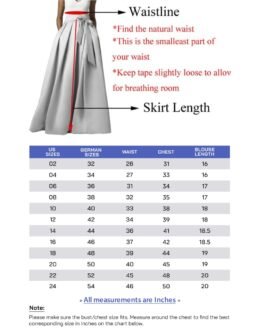
A Dirndl should fit snugly around the bodice and waist to create the classic hourglass silhouette. The skirt should sit comfortably at the natural waist and fall freely over the hips. It should feel secure but never restrictive. If you are between sizes, it is generally recommended to size up for comfort.
What does the Dirndl apron bow mean?
The position of the apron bow is a charming Bavarian tradition. Tied on the right means the woman is in a relationship or married. Tied on the left means she is single. Tied at the back is traditionally associated with widows or festival waitresses. Tied at the front center is sometimes worn by young girls. It is a fun and meaningful tradition that adds real personality to the outfit.
Can I wear a Dirndl if I am not German?
Absolutely. The Dirndl is a welcoming and inclusive piece of cultural fashion. Women from all backgrounds and nationalities wear Dirndls to celebrate Oktoberfest, attend cultural events, or simply enjoy a unique and beautiful style of dress. Wearing a Dirndl with respect and appreciation for its cultural origins is always encouraged and celebrated worldwide.
What shoes go with a Dirndl?
Traditional Dirndl shoes are called Haferlschuhe — low-heeled leather shoes with a side lacing detail. However, many women today pair their Dirndl with ballet flats, low block heels, or simple leather sandals. The key is to keep the footwear classic and understated so the Dirndl remains the star of the outfit.
Is a Dirndl only for Oktoberfest?
Not at all. While Oktoberfest is the most famous occasion for wearing a Dirndl, it is also traditionally worn at Bavarian weddings, church festivals, Christmas markets, folk music events, and family celebrations. Many women also wear Dirndls to themed parties and cultural heritage events throughout the year.
How do I choose the right Dirndl length?
Mini Dirndls with skirts above the knee suit casual and festival occasions. Midi-length Dirndls hitting just below the knee are the most universally flattering and versatile. Maxi or full-length Dirndls are best suited for formal occasions like weddings or traditional church celebrations. Choose the length that matches the occasion and your personal comfort level.
Shop Our Authentic German Dirndl Collection
Explore our full collection of Authentic German Dirndl sets above and find the one that feels made for you. Each piece in our collection is chosen for its quality, authenticity, and faithfulness to the beautiful tradition that has made the Dirndl a treasured piece of world fashion. We offer worldwide shipping — bringing genuine Bavarian style straight to your door no matter where you are in the world.