
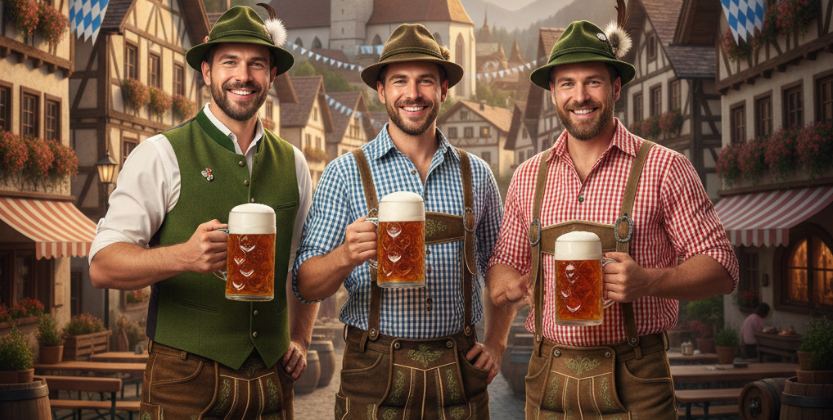
Lederhosen History From Alpine Roots to Global Tradition
Lederhosen history is deeply connected to the everyday lives, hard work, and cultural pride of the Alpine regions of Europe. These traditional leather trousers are more than festival clothing. They tell a story of farmers, hunters, craftsmen, and mountain communities who shaped Bavarian and Austrian identity over centuries. Today, lederhosen are worn proudly at Oktoberfest, weddings, folk events, and cultural celebrations across the world. To truly appreciate them, it is important to understand where they came from, how they evolved, and why they still matter.
This guide explores the complete lederhosen history in a simple and human way. From their early beginnings as workwear to their rise as a cultural symbol, every stage of their journey reflects tradition, resilience, and craftsmanship.
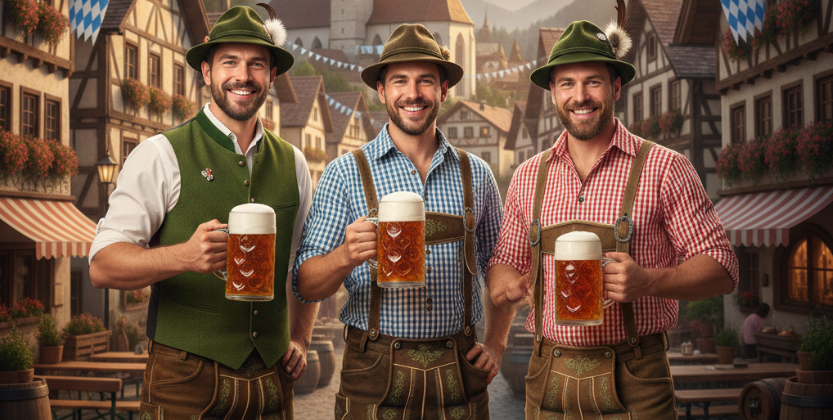
Origins of Lederhosen History in the Alpine Region
The earliest chapter of lederhosen history begins in the Alpine regions of Bavaria, Austria, South Tyrol, and parts of Switzerland. These areas were known for rugged mountains, cold winters, and demanding physical labor. Clothing needed to be strong, warm, and flexible. Leather became the perfect material.
Farmers, shepherds, and hunters wore leather trousers because they lasted longer than fabric and protected the body from rough terrain, sharp tools, and harsh weather. Leather also resisted moisture better than wool or linen, making it ideal for outdoor work.
The word lederhosen comes from the German language. Leder means leather, and hosen means trousers. The name itself reflects function rather than fashion. Early lederhosen were simple, practical, and undecorated.
Why Leather Was Chosen for Traditional Trousers
To understand lederhosen history, it is important to understand leather itself. Leather was widely available in rural Alpine communities because cattle, deer, and goats were common. Hides were processed locally, which made leather affordable and accessible.
Leather trousers offered several advantages. They stretched with movement, kept warmth close to the body, and lasted for many years. A well made pair of lederhosen could be worn for decades. Some were even passed down from father to son.
Unlike cloth trousers, leather did not tear easily. This made lederhosen ideal for climbing, farming, and working in forests. Over time, these practical benefits made lederhosen a standard garment for working men in the Alps.
Lederhosen in the Middle Ages
During the Middle Ages, lederhosen history became more clearly defined. Short leather trousers were commonly worn by peasants and laborers. These trousers often ended above or below the knee and were worn with long wool socks.
At this time, clothing also reflected social class. Long trousers were associated with nobility, while shorter trousers were practical for workers. Lederhosen were not a symbol of fashion or status. They were simply the best clothing for the job.
Stitching and tailoring improved slowly over time. Buttons, laces, and flaps were added to make the trousers easier to wear and adjust. The iconic front flap, known as the drop front, became a defining feature.
Regional Differences in Lederhosen History
As lederhosen became common across Alpine regions, local styles began to develop. Lederhosen history is not the same everywhere. Each area added its own touches based on culture, climate, and available materials.
In Bavaria, lederhosen were often shorter and more decorative over time. In Austria, styles varied between regions like Tyrol and Salzburg. Some areas preferred knee length trousers, while others favored very short versions.
Embroidery patterns also differed. Motifs such as oak leaves, edelweiss flowers, and hunting symbols reflected local traditions. These details turned practical workwear into clothing with identity and meaning.
The Role of Hunters and Craftsmen
Hunters played a major role in shaping lederhosen history. Hunting was an important activity in Alpine life, providing food and income. Hunters needed clothing that allowed quiet movement and durability.
Deerskin became especially popular among hunters because it was soft, flexible, and strong. Over time, deerskin lederhosen became a sign of quality craftsmanship. Skilled leatherworkers developed tanning methods that improved comfort and durability.
Craftsmen also influenced lederhosen design. Tailors began shaping trousers more carefully to fit the body. This marked the beginning of lederhosen as both functional and visually appealing garments.
Lederhosen and Social Identity in the 18th Century
By the 18th century, lederhosen history took a cultural turn. What began as workwear slowly became a symbol of regional pride. Rural communities started to associate lederhosen with tradition and heritage.
During this period, some urban elites looked down on lederhosen as peasant clothing. As cities modernized, fashion trends moved toward long trousers and refined fabrics. Lederhosen were seen as outdated by some.
However, this attitude would soon change. A cultural revival was on the horizon.
The Traditional Costume Revival of the 19th Century
One of the most important chapters in lederhosen history occurred in the 19th century. During this time, many Europeans feared that industrialization would erase regional traditions. In response, cultural preservation movements began.
In Bavaria and Austria, traditional costume societies were formed. These groups promoted traditional clothing, music, and customs. Lederhosen became a proud symbol of Alpine identity rather than a sign of poverty.
King Ludwig II of Bavaria played a role in popularizing traditional dress. He admired rural culture and supported traditional clothing at official events. This helped legitimize lederhosen as cultural attire.
Lederhosen and Oktoberfest
No discussion of lederhosen history is complete without Oktoberfest. The famous beer festival in Munich began in 1810 as a royal wedding celebration. Over time, it grew into a cultural event showcasing Bavarian traditions.
By the late 19th and early 20th centuries, wearing traditional clothing at Oktoberfest became common. Lederhosen were worn proudly by locals and visitors alike.
Oktoberfest helped spread lederhosen beyond rural communities. Tourists from other regions and countries embraced the style. What was once regional workwear became internationally recognized.
Lederhosen During the World Wars
The 20th century brought challenges to lederhosen history. During World War I and World War II, resources were limited. Clothing production focused on military needs.
Traditional clothing declined in daily use. However, lederhosen survived through cultural events and family traditions. After the wars, there was a renewed interest in heritage and national identity.
Lederhosen reappeared at festivals, weddings, and folk gatherings. They became symbols of resilience and continuity.
Modern Lederhosen and Contemporary Fashion
Today, lederhosen history continues to evolve. Modern lederhosen are worn for celebrations rather than work. They are carefully crafted, often handmade, and designed for comfort and style.
Contemporary designers experiment with colors, embroidery, and cuts while respecting tradition. Classic brown and tan remain popular, but black, green, and gray versions are also common.
Despite modern influences, authentic lederhosen still follow traditional methods. Genuine leather, strong stitching, and proper fit remain essential.
Cultural Meaning of Lederhosen Today
In modern times, lederhosen represent pride in heritage. Wearing lederhosen is a way to honor ancestors and regional identity. For many families, owning a pair is a rite of passage.
Lederhosen are worn at Oktoberfest, weddings, religious festivals, and cultural events. They are also worn by dance groups and folk musicians.
Outside Europe, lederhosen have become symbols of German culture. While sometimes worn playfully, authentic lederhosen still carry deep cultural meaning.
How Lederhosen History Influences Craftsmanship
Understanding lederhosen history helps explain why craftsmanship matters. Traditional lederhosen are not mass produced fashion items. They are carefully made using time tested techniques.
Leather is treated to remain soft yet durable. Embroidery is stitched by hand or with precision machines. Each pair reflects the skills of the maker.
This respect for tradition is why high quality lederhosen can last a lifetime. They improve with age, becoming more comfortable and unique over time.
Lederhosen History in Global Culture
Lederhosen history has crossed borders. German and Austrian immigrants carried their traditions to the United States, Canada, and Australia. Oktoberfest celebrations around the world helped spread the style.
Today, lederhosen are worn by people of many backgrounds. While styles may vary, authentic designs remain rooted in Alpine tradition.
This global appreciation shows how traditional clothing can connect people across cultures.
Frequently Asked Questions About Lederhosen History
What is the origin of lederhosen history?
Lederhosen originated in the Alpine regions of Bavaria and Austria as durable leather trousers worn by farmers, hunters, and workers.
Why were lederhosen made from leather?
Leather was strong, flexible, and long lasting. It protected workers from harsh weather and rough terrain.
When did lederhosen become traditional clothing?
Lederhosen became recognized as traditional clothing in the 19th century during cultural revival movements.
Are lederhosen only Bavarian?
No. Lederhosen are also traditional in Austria, South Tyrol, and parts of Switzerland.
How did Oktoberfest influence lederhosen history?
Oktoberfest popularized lederhosen and helped spread them beyond rural communities.
Were lederhosen always decorative?
No. Early lederhosen were simple and practical. Decorative embroidery came later.
What leather is traditionally used for lederhosen?
Deerskin is considered the finest, but cowhide and goatskin are also used.
Are lederhosen still worn daily?
Today, lederhosen are worn mainly for festivals and special occasions.
Did women ever wear lederhosen historically?
Traditionally, lederhosen were worn by men. Women wore dirndls.
How long can a good pair of lederhosen last?
With proper care, authentic lederhosen can last for decades.
Why are lederhosen short?
Short length allowed freedom of movement and practicality for labor.
Are modern lederhosen authentic?
Many modern lederhosen follow traditional methods while adding comfort and style.
What symbols are embroidered on lederhosen?
Common symbols include oak leaves, edelweiss flowers, and hunting motifs.
How did industrialization affect lederhosen history?
Industrialization reduced daily use but inspired cultural preservation efforts.
Why is lederhosen history still important today?
Lederhosen history preserves cultural identity, craftsmanship, and tradition.
Final Thoughts on Lederhosen History
Lederhosen history is not just about clothing. It is a story of people, land, and tradition. From humble beginnings as work trousers to global symbols of Bavarian culture, lederhosen have endured centuries of change.